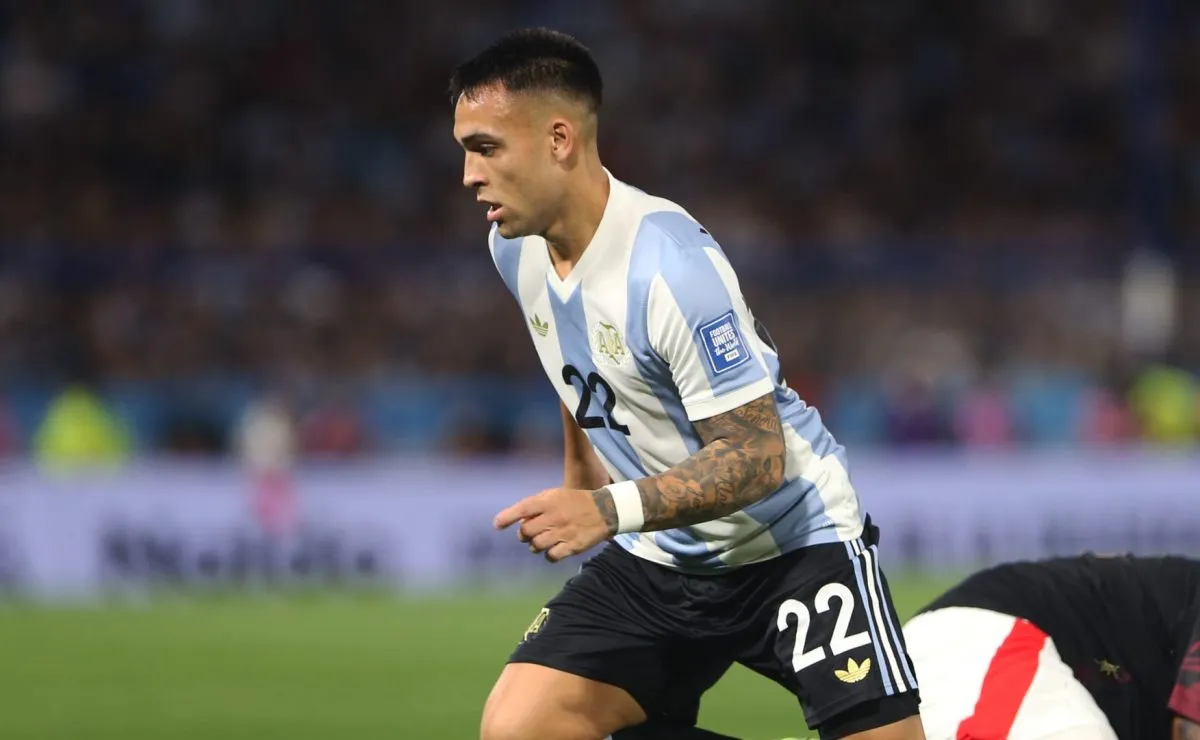
Understanding Lautaro Martínez's Absence: The "Por Que No Juega Lautaro" Question
When a player of Lautaro Martínez's calibre misses a crucial match, fans, pundits, and coaches alike immediately ask: "¿Por qué no juega Lautaro?" The Argentine forward, a prolific scorer for Inter Milan and a vital cog in the Albiceleste attack, has, at various times, been sidelined due to a combination of muscle fatigue and specific injuries. These absences, while frustrating for supporters, highlight the immense physical demands placed on elite footballers in today's relentless calendar.
From high-stakes international qualifiers to pivotal Champions League encounters, Martínez's presence is almost always critical. His absence forces tactical reshuffles and puts immense pressure on his replacements to fill his sizable shoes. Understanding the specific reasons behind each instance sheds light on the strategic decisions made by coaching staff to protect their star asset and ensure his long-term availability.
The modern game requires players to perform at peak levels consistently, traversing continents and competing in multiple competitions. This grueling schedule inevitably leads to wear and tear, making muscle fatigue a common culprit for sidelining even the fittest athletes. Additionally, the intensity of play can result in more acute injuries, requiring careful management and recovery periods. Lautaro's recent history exemplifies these challenges, demonstrating how a key player's health directly impacts the fortunes of both club and country.
Key Instances: Argentina's World Cup Qualifiers
One notable instance where the question of por que no juega Lautaro arose was during Argentina's World Cup Qualifier against Uruguay. This wasn't due to a severe injury, but rather a strategic decision by national team coach Lionel Scaloni. Martínez, having arrived with discernible muscle fatigue, was a significant omission from the starting XI for the high-stakes encounter.
The match, a crucial fixture in the journey towards the 2026 World Cup, saw Argentina battle Uruguay at the Estadio Centenario in Montevideo. Both teams were vying for the top spot in the CONMEBOL standings, making every point invaluable. Scaloni's decision to preserve Lautaro Martínez underscores the importance of player welfare and long-term planning, especially for a player who regularly carries a heavy workload for both club and country.
In his stead, Manchester City's dynamic forward, Julián Álvarez, stepped up to lead the line as the sole striker. Álvarez, known for his relentless pressing and clinical finishing, seized the opportunity to demonstrate his capabilities, proving that Argentina possesses formidable depth in its attacking options. This moment highlighted how coaches must adapt and trust their squad players when their primary choices are unavailable. For a deeper dive into how teams cope with such absences, consider reading our analysis on Lautaro Martínez Absent: Analyzing Replacements for Argentina & Inter.
The Albiceleste's tactical setup for that particular game, sans Martínez, typically featured a strong defensive base and a fluid midfield. While specific formations can vary, a common alignment might look something like: Martínez (GK); Molina, Romero, Otamendi, Tagliafico; Almada, Fernández, MacAllister, González; Simeone and Álvarez. This structure allowed for both defensive solidity and attacking creativity, even without their usual starting centre-forward.
Inter Milan Challenges: UEFA Champions League Absences
Lautaro Martínez's absences have also impacted Inter Milan significantly, particularly in crucial UEFA Champions League fixtures. The demands of European competition, coupled with the Serie A schedule, often push players to their physical limits, leading to situations where asking "por que no juega Lautaro" becomes a recurring theme.
One such scenario unfolded during Inter's Champions League playoff return leg against Bodø/Glimt. This was a particularly sensitive moment for the Nerazzurri, who needed to overturn a surprising 3-1 defeat from the first leg in Norway. Martínez, then 28 years old and a former Racing Club talent, was a significant miss, not even making the squad list. The reason? A more serious physical setback: a soleus strain in his left leg. This type of muscle injury typically sidelines a player for around 15 days, impacting training and match availability. Coach Cristian Chivu faced the daunting task of navigating a decisive European tie without his top scorer and captain, highlighting the tangible impact of such injuries on team strategy and morale. For more details on the nature and recovery process of such an injury, explore Lautaro Martínez's Injury: Solé Strain Sidelines Inter Star.
Another high-profile Champions League match saw Lautaro sidelined, albeit in a different capacity, when Inter faced Manchester City in a Group Stage opener. This highly anticipated clash pitted two reigning league champions against each other at the Etihad Stadium. While coach Simone Inzaghi typically deploys his strongest available XI for such encounters, Martínez was notably absent from Inter's starting lineup. The reason, once again, was muscle fatigue, accumulated during recent training sessions. The technical staff, making a conscious decision not to risk aggravating the fatigue, opted to start another forward. However, in this instance, 'El Toro' was available from the bench, offering a potential impact player should the game's flow demand it. This decision underscores a common approach in top-flight football: managing star players' minutes in demanding fixtures to prevent more serious injuries down the line.
The Broader Impact: Why Every Absence Matters
The recurring question of "por que no juega Lautaro" isn't just about a single player's health; it has broader implications for team dynamics and strategic planning. For both the Argentine national team and Inter Milan, Lautaro Martínez is more than just a striker; he is a focal point of their attack, a relentless presser, and often, a leader on the pitch. His absence forces coaches like Lionel Scaloni and Simone Inzaghi to rethink their tactical approaches, often shifting from a primary game plan built around his unique attributes to alternative strategies.
When Martínez is out, teams might opt for a different type of striker – perhaps a more traditional target man, a faster, more agile forward, or even a false nine. This change can affect everything from build-up play and attacking movements to defensive pressing schemes. Replacements like Julián Álvarez for Argentina or other forwards for Inter must not only perform their own roles but also adapt to the void left by Lautaro, potentially altering their natural game to compensate.
Beyond tactics, there's a significant psychological impact. For the team, missing a key player can create uncertainty, but it also presents an opportunity for others to step up and prove their worth, fostering a sense of collective responsibility. For Martínez himself, being sidelined, particularly due to fatigue rather than a severe injury, can be frustrating, especially when his team needs him most. It's a constant battle between a player's desire to compete and the medical staff's imperative to protect his long-term health. The relentless modern football calendar, with its packed schedules across domestic leagues, cups, and international competitions, makes such dilemmas increasingly common, pushing athletes to their physical and mental limits.
Preventing Recurrence: A Focus on Player Well-being
Addressing the question of por que no juega Lautaro inevitably leads to discussions about prevention and player well-being. Elite clubs and national teams invest heavily in sports science, physical conditioning, and medical protocols to minimize the risk of injury and fatigue. For a player like Lautaro Martínez, who is central to his teams' success, a proactive approach to health management is paramount.
Key strategies include:
- Personalized Training Regimens: Tailoring training loads to individual player needs, considering their game time, travel, and recovery metrics.
- Advanced Recovery Protocols: Utilizing techniques like cryotherapy, hydrotherapy, massage, and adequate nutrition to aid muscle recovery after intense matches and training sessions.
- Load Management: Carefully monitoring minutes played, high-intensity sprints, and overall workload to identify signs of fatigue before they escalate into injuries. This often means rotating players, even key ones, to ensure they get sufficient rest.
- Communication between Player, Medical Staff, and Coaching Staff: Open dialogue is crucial for players to report any discomfort or fatigue honestly, allowing the medical team to intervene early and coaches to adjust lineups accordingly.
- Nutritional and Hydration Support: Ensuring optimal fueling and rehydration strategies to support recovery and performance.
These measures are not just about keeping a player on the pitch; they're about ensuring longevity and sustained peak performance. For players like Martínez, whose career demands continuous excellence, these preventative measures are as vital as their on-field talent. Ultimately, balancing the immediate need for a player's presence with the long-term goal of their health is a delicate but essential act for any top-tier football organization.
The recurrent question, "¿Por qué no juega Lautaro?" underscores the intense physical demands of modern football on elite athletes. Whether due to strategic preservation from muscle fatigue or the unfortunate reality of a soleus strain, Lautaro Martínez's absences highlight the delicate balance between performance, injury prevention, and player welfare. While his presence is undeniably missed by both Inter Milan and the Argentine national team, these instances also provide opportunities for other talents to shine and showcase the depth within these formidable squads. Ultimately, managing the health of a key player like Martínez is a continuous challenge that requires sophisticated sports science, strategic coaching, and a comprehensive understanding of an athlete's physical limits to ensure he returns stronger and ready to contribute to future victories.