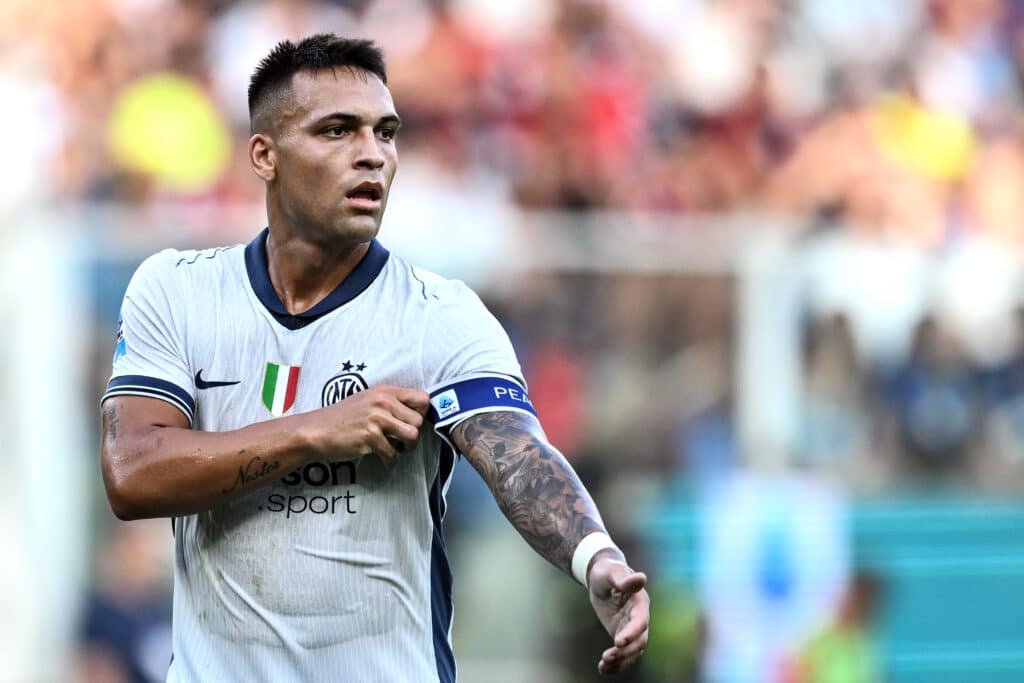
Lautaro Martínez's Injury: Solé Strain Sidelines Inter Star, Sparking "Por Qué No Juega Lautaro" Buzz
When a player of Lautaro Martínez's caliber is absent from the pitch, fans and pundits alike immediately begin to ask, "por que no juega Lautaro?" The dynamic Argentine forward is a crucial figure for both Inter Milan and the Argentina national team, known for his relentless energy, predatory finishing, and leadership. His occasional absence from key fixtures, whether due to injury or strategic resting, inevitably generates significant discussion and concern. While muscle fatigue has been a recurring theme, a specific soleus strain recently became a primary culprit, shedding light on the physical demands placed upon elite footballers.
The Solé Strain: A Painful Setback for Inter Milan
One of the most significant reasons for Lautaro Martínez's recent unavailability stemmed from a soleus strain in his left leg. This particular injury occurred at a crucial time for Inter Milan, notably impacting their UEFA Champions League playoff second leg against Norwegian side Bodø/Glimt. The situation was compounded by Inter needing to overturn an unexpected 3-1 deficit from the first leg – a challenge made even steeper without their leading scorer and captain.
The soleus muscle, located in the lower calf beneath the gastrocnemius, is vital for a footballer's explosive movements, propulsion, and stability. A strain in this area can be particularly debilitating, affecting a player's ability to push off, sprint, and change direction effectively. Recovery from such an injury typically requires a careful rehabilitation period, often sidelining a player for around 15 days, as was the case for Martínez. This period involves rest, targeted physiotherapy, and a gradual return to activity to prevent re-injury and ensure full recovery of strength and flexibility.
For Inter, Martínez's absence against Bodø/Glimt was a severe blow. Coach Cristian Chivu had to devise a strategy to navigate the decisive return leg without his primary goal threat and on-field leader. This scenario highlights the delicate balance between pushing players to their limits and preserving their physical well-being, especially when facing tight schedules and high-stakes matches.
Muscle Fatigue: Preserving the Star for Club and Country
Beyond specific injuries like the soleus strain, muscle fatigue frequently explains the question, "por que no juega Lautaro?" The relentless calendar of modern football, encompassing domestic leagues, cup competitions, and international fixtures, places immense physical stress on players like Martínez. Coaches, therefore, often make strategic decisions to rest key individuals to prevent more serious injuries and ensure peak performance when it matters most.
One notable instance was during the Conmebol World Cup Qualifiers, where Argentina faced Uruguay. Despite being a pivotal match in the fight for the top spot, Argentina's coach, Lionel Scaloni, opted to preserve Lautaro Martínez due to muscle fatigue. He was not included in the starting XI, a clear indication that player welfare and long-term availability took precedence over immediate game risk. This decision underlines the philosophy of "load management" increasingly adopted by elite sports teams, where the physical demands on athletes are meticulously monitored to avoid burnout and severe injuries.
Similarly, in a high-profile UEFA Champions League clash between Inter Milan and Manchester City, Martínez again faced a situation where muscle fatigue influenced his role. While he wasn't completely sidelined, he started on the bench, with the technical staff deciding not to risk him from the outset. This strategic approach allows the player to potentially enter the game in the second half if needed, offering an impactful substitute without exacerbating existing fatigue. These decisions by coaches like Scaloni and Simone Inzaghi (Inter's head coach) are crucial, demonstrating a holistic approach to managing their star players through demanding seasons.
For more insights into how muscle fatigue impacts top players, you can read our detailed analysis: Lautaro Martínez Out: Muscle Fatigue Behind Key Game Absences.
Who Steps Up? Replacements and Tactical Adjustments
When Lautaro Martínez is unavailable, the question of "por que no juega Lautaro" quickly shifts to "who will replace him?" Both the Argentina national team and Inter Milan possess formidable depth, yet replacing a player of Martínez's unique skillset—his work rate, hold-up play, and clinical finishing—requires careful tactical adjustments.
For Argentina, during the World Cup Qualifiers against Uruguay, the mantle fell to Julián Álvarez. The Manchester City striker stepped into the central role, tasked with being the Albiceleste's sole attacking reference. Álvarez brings a different dynamic to the front line; known for his intelligent movement, pressing, and ability to drop deeper, he offers a more fluid attacking presence compared to Martínez's more traditional center-forward style. This change necessitates slight alterations in how Argentina's midfield supports the attack and how wingers interact with the striker.
At Inter Milan, the situation against teams like Manchester City or during his soleus recovery for matches like Bodø/Glimt also called for strategic replacements. Players like Mehdi Taremi (a rumored target or potential replacement in certain scenarios, though specific to past reports) or other available forwards such as Marcus Thuram, Alexis Sánchez, or Marko Arnautović would be tasked with leading the line. Each of these players brings a distinct set of attributes, requiring Coach Inzaghi to adapt his formation or attacking approach. For instance, Thuram might offer more pace and directness, while Sánchez provides creativity and experience. Inzaghi often relies on a two-striker system, which means the dynamic of the remaining pair and their chemistry becomes paramount in Martínez's absence.
Analyzing the impact of these replacements and the tactical shifts they necessitate provides a deeper understanding of team strategy. Explore more about these crucial adjustments in our article: Lautaro Martínez Absent: Analyzing Replacements for Argentina & Inter.
Looking Ahead: Lautaro's Road to Recovery and Future Impact
For any elite athlete, recovery from injury is a meticulous process that extends beyond simply resting. For a soleus strain, a comprehensive rehabilitation program is essential, focusing on restoring muscle strength, flexibility, and proprioception (the body's awareness of its position in space). Rushing back too soon can lead to re-injury, a costly setback for both the player and his team.
Looking ahead, Lautaro Martínez's physical well-being remains a top priority. The consistent issues with muscle fatigue highlight the brutal schedule and high demands placed on top-tier footballers. Clubs and national teams invest heavily in sports science, nutrition, and recovery protocols to optimize player performance and minimize injury risk. However, the human body has its limits, and listening to those signals, even if it means missing a few games, is crucial for a long and successful career.
When fully fit, Martínez is indispensable. His leadership as captain, his clinical goalscoring ability, and his tireless work rate make him a complete striker and a genuine difference-maker. For Inter, he is the spearhead of their attack, vital for their Serie A ambitions and European campaigns. For Argentina, he is a key component alongside Lionel Messi, contributing significantly to their attacking prowess and World Cup aspirations.
Fans asking, "por que no juega Lautaro" ultimately want to see their star player at his best. His journey back from injury and strategic rests underscores the fragility and resilience required at the highest level of football. It’s a testament to his dedication and the professional care he receives that he consistently returns to perform at an elite level.
In conclusion, whether it's a specific injury like a soleus strain or general muscle fatigue requiring strategic preservation, the reasons behind "por que no juega Lautaro" are complex and multifaceted. They reflect the intense physical demands of modern football and the careful management required to keep top talents like Lautaro Martínez performing at their peak for both Inter Milan and the Argentina national team. While his absence is always felt, it's a necessary step to ensure his long-term health and continued success on the pitch.